

Why weather prediction markets?
Prediction markets are exploding, and there’s real money to be made if you can predict things better than everyone else. Weather is one of the easiest places to do that because there are sensors everywhere and tons of data most people never use.
Approach at Climate Sight
The plan is simple:
Use data, math, statistics, and machine learning to beat the market.
Climate Sight will read the sensors, run better forecasts through novel machine learning models, and look for arbitrage when the market price is wrong.
Forecast models vs. real-world sensors
Here’s the thesis, most of weather forecasting currently is based on ensemble forecast models. Newer models do exist and are making rapid advancement.
Here’s the size of the grid that Google’s WeatherNext 2 (it’s current SOTA) model uses.
The highest precision weather forecast models run at a resolution of .25 spatial degrees. European Centre for Medium-Range Weather Forecasts (ECMWF), and Google’s WeatherNext all use this large forecasting grid. It’s convenient for global forecasting, as they aren’t concerned with accuracy down to a neighborhood but general forecasting.
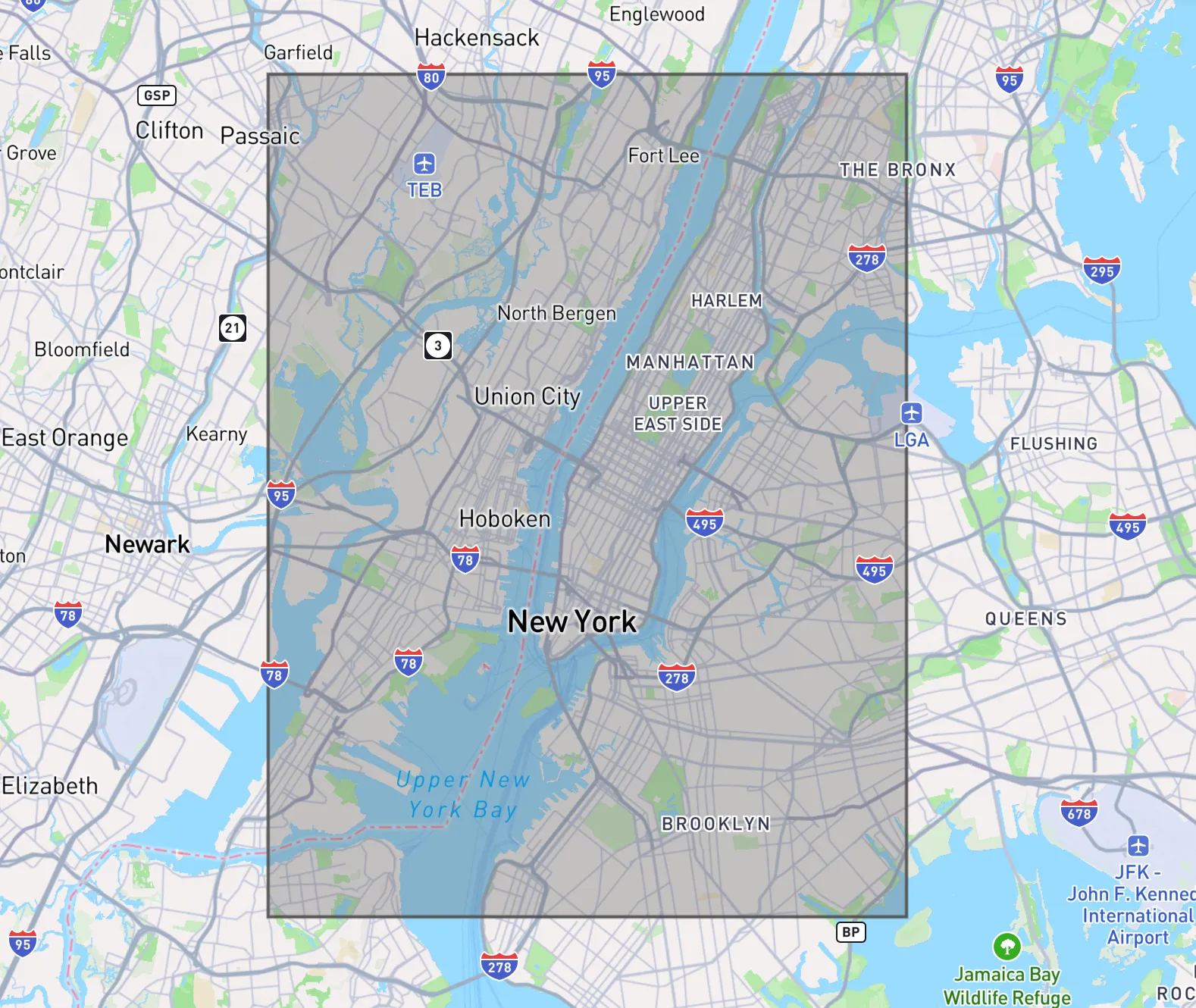
NOAA High-Resolution Rapid Refresh (HRRR) uses a grid with a resolution of 3km.
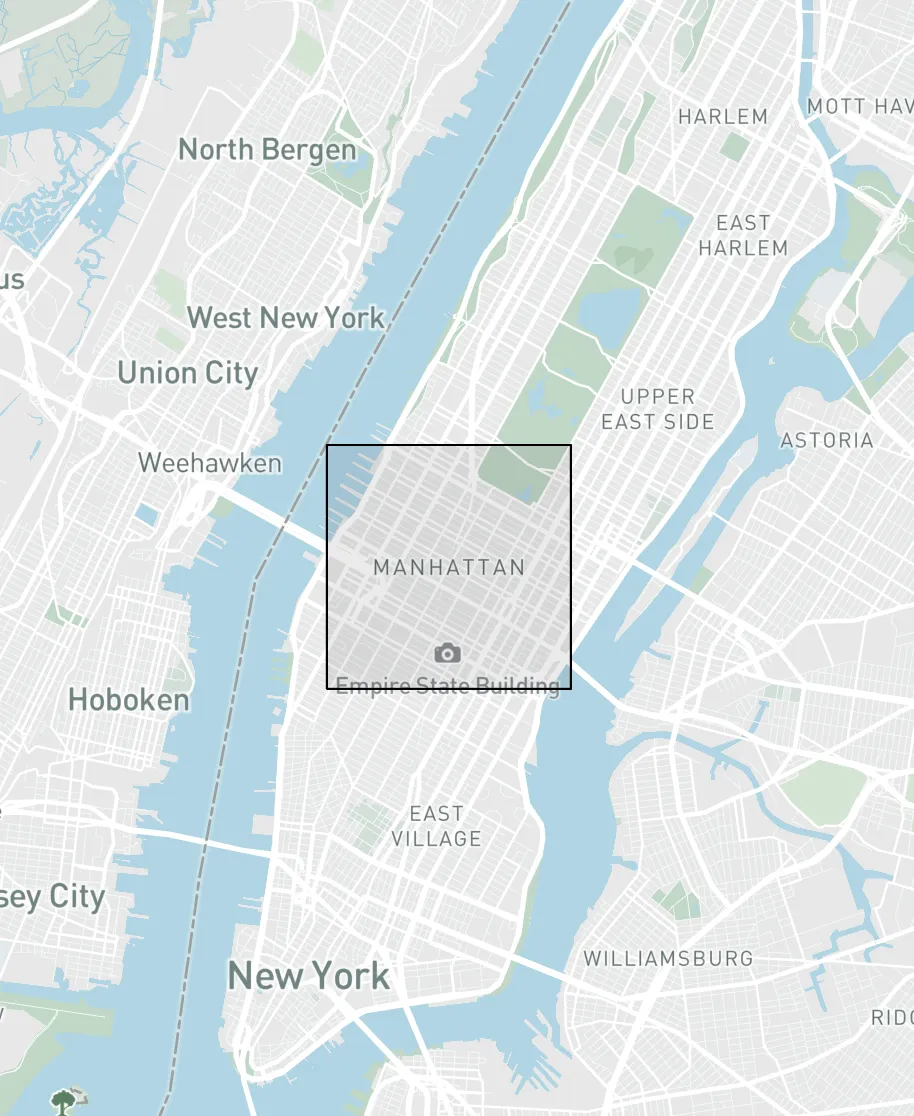
From grid cells to single stations
But the prediction climate markets are based on an ASOS station, a specific point in a specific location.
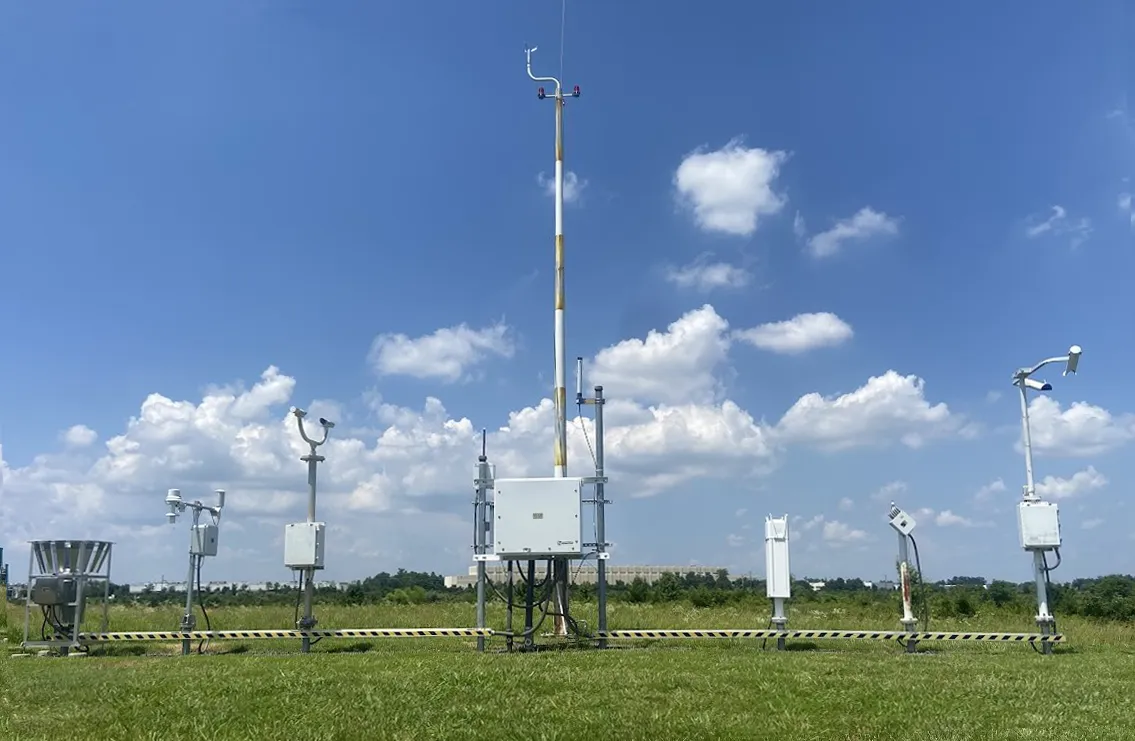
And only the temperature this specific station reads. Combined with this gap in knowledge, and the myriad of sensors that are publicly available, a novel model can do more advanced forecasting for better probabilistic estimation than the market.
Welcome!
Next steps
Continue from this post into live markets, tools, and deeper guides.